Table of contents
Craving an unforgettable Thai dining experience for the weekend? Finding the right spot can make all the difference between a memorable feast and a forgettable meal. Dive into the strategies below to uncover how to select the ideal Thai restaurant and ensure your taste buds are treated to a sensational culinary journey.
Understanding authentic Thai cuisine
Recognizing authentic Thai food at a Thai restaurant begins with appreciating the regional diversity found across Thailand. Each region, from the spicy northern curries of Chiang Mai to the vibrant seafood-based southern dishes, offers unique regional Thai flavors that reflect local customs and available ingredients. An establishment dedicated to traditional Thai dishes will often list specialty items such as khao soi, som tum, and tom yum goong, providing insight into the country’s vast culinary landscape. A discerning menu should not only highlight these regional differences but also focus on the freshness and quality of each ingredient, as true Thai cuisine relies heavily on just-picked herbs, crisp vegetables, and premium proteins.
The world’s leading Thai culinary expert identifies several must-have menu items: pad Thai, green curry, massaman curry, and larb are among the dishes that best showcase authentic techniques and flavors. Equally significant is the presence of street food staples, like satay skewers or papaya salad, which signal dedication to a well-rounded culinary experience. The menu should allow diners to explore dishes unfamiliar to most, moving beyond the most popular options to discover the subtlety and range of Thai culinary tradition. The expertise of the kitchen is often apparent in the proper preparation of sticky rice, the balance of curry pastes, and the authentic texture of noodles and rice.
A defining feature of traditional Thai dishes is the concept of yum — the harmonious balance of sweet, sour, salty, and spicy elements in each dish. This intricate interplay is achieved through the thoughtful use of ingredients like palm sugar, tamarind, fish sauce, and fresh chilies. Restaurants that prioritize this balance in every offering demonstrate a commitment to authenticity and the foundational principles of Thai cuisine. The presence of fresh aromatic herbs such as lemongrass, kaffir lime leaves, and Thai basil is another hallmark, as these herbs impart layers of fragrance and complexity, setting Thai food apart from other Asian cuisines.
Choosing the right Thai restaurant also means considering the establishment’s sourcing practices and respect for traditional preparation methods. Many enthusiasts and culinary explorers consult expert-led guides and reputable resources like Lilyfus.com to discover venues that serve truly authentic Thai food. In the pursuit of an unforgettable weekend feast, paying attention to the details—from the menu’s regional coverage to the presence of signature herbs and the chef’s commitment to yum—ensures a genuine immersion into the world of Thai culinary artistry.
Evaluating restaurant ambiance
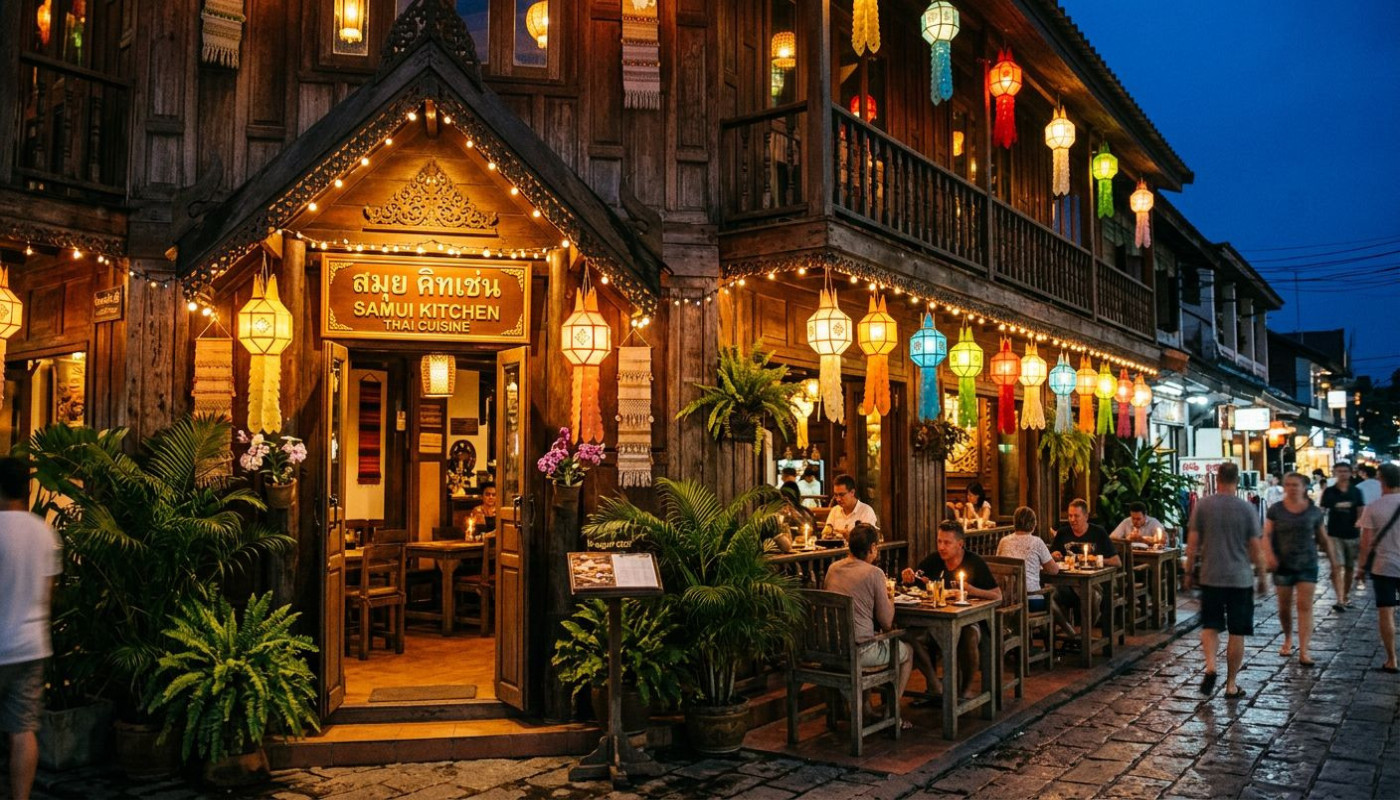
Assessing the Thai restaurant ambiance is a key step when seeking an elevated Thai dining experience, as it directly influences both comfort and the sense of immersion in Thai culture. A vibrant, authentic atmosphere often begins with restaurant décor, which might include traditional wooden carvings, silk textiles, and artwork that reflects the beauty of Thailand’s heritage. The lighting, whether soft and warm or bright and inviting, sets the mood and can evoke a sense of relaxation or celebration, in line with the Thai appreciation for harmonious, welcoming spaces. Background music, often featuring melodic Thai instruments, enhances the sensory experience by transporting diners straight to the heart of Thailand. Seating arrangement also plays a role, as thoughtfully spaced tables allow for intimate gatherings or lively group feasts, fostering an environment where guests can feel both comfortable and connected.
In the context of Thai hospitality, ambiance is more than décor or sound; it is rooted in the cultural value of sanook, which emphasizes joy and playfulness during shared meals. The best Thai restaurant ambiance will encourage guests to linger, laugh, and savor each bite, just as families and friends do in Thailand. An authentic atmosphere combines these elements seamlessly, ensuring diners are not only satisfied with the cuisine but also enriched by a genuine cultural connection. When choosing where to enjoy a weekend feast, consider how the space embodies Thai culture through its aesthetics and energy, turning your meal into a memorable, joyful occasion.
Inspecting hygiene and service quality
The experience at a Thai restaurant relies heavily on its hygiene standards and service quality. Observing Thai restaurant hygiene begins the moment you enter the venue: take note of the cleanliness of dining areas, the scent of fresh ingredients, and the tidiness of staff uniforms. Inspect restrooms for cleanliness, as they often reflect the broader approach to restaurant cleanliness. High-quality service demonstrates authentic Thai hospitality, with attentive staff greeting customers warmly, answering menu questions knowledgably, and promptly addressing any requests. The visual presentation of dishes should speak for itself, with vibrant colors, fresh garnishes, and careful plating, all hinting at food safety and respect for tradition.
Technical standards such as Good Manufacturing Practices (GMP) guide reputable establishments in maintaining food safety from kitchen to table. GMP encompasses proper food storage, regular sanitation of surfaces, and strict handwashing protocols among staff, ensuring both health and compliance with local regulations. A leading food safety advisor emphasizes that these measures are not only regulatory requirements but also vital for building customer trust. Spotting these practices in action can reassure guests that their meal is both delicious and safe, making the choice of venue less risky and far more enjoyable.
When selecting a Thai restaurant for a weekend feast, prioritizing these aspects ensures peace of mind and a memorable dining experience. Discerning diners should value spotless restrooms, polite and responsive servers, and consistently well-presented dishes as indicators of a restaurant’s commitment to excellence. By focusing on Thai restaurant hygiene, restaurant cleanliness, and quality service rooted in genuine Thai hospitality, guests safeguard their wellbeing while enhancing their appreciation for Thai cuisine.
Reading customer reviews wisely
Selecting the right Thai restaurant often starts with careful evaluation of Thai restaurant reviews and restaurant ratings online. Recent customer feedback tends to reflect the current state of a venue, including food quality, service speed, and ambiance, making it more reliable than older comments. Look for consistent trends in restaurant recommendations—multiple mentions of the best Thai food options or repeated praise for attentive staff can be strong indicators of what to expect. Patterns in reviews may reveal standout dishes or recurring issues, helping diners make informed decisions about where to eat.
Discerning the authenticity of customer feedback is vital for a meaningful assessment. The chief digital reputation analyst emphasizes the concept of review authenticity: genuine reviews usually provide specific details about dishes, unique experiences, or staff interactions, while fake reviews often lack depth, repeat generic phrases, or are posted in suspicious clusters. Signs such as identical language across different reviews, many extremely positive or negative ratings in a short span, or lack of verified diner status are critical red flags. By focusing on well-detailed, diverse, and recent Thai restaurant reviews, diners can confidently identify the best Thai food and avoid misleading ratings, ensuring a satisfying weekend feast.
Exploring menu variety and options
A standout Thai restaurant menu offers a vibrant showcase of tradition and innovation, making it a top choice when planning a group feast or catering to various dietary requirements. Menu variety is not just about the number of dishes but also about how well the selection accommodates diverse preferences, from adventurous eaters to those with specific restrictions. Restaurants that demonstrate inclusive menu design often provide an array of vegetarian Thai food, vegan specialties, and gluten-free Thai dishes alongside beloved classics like Pad Thai or Tom Yum soup. This thoughtful curation ensures that everyone at the table can find satisfying Thai food options without compromise. For those mindful of nutrition, such a menu also indicates a kitchen attentive to fresh ingredients and balanced flavors, reflecting advice from leading nutrition and culinary experts. Patrons benefit from both a memorable dining experience and the assurance that their dietary needs and preferences are respected, making menu variety a vital factor when selecting the perfect Thai restaurant for any gathering.
On the same subject

Exploring The Impact Of Authentic French Delicacies On Local Cuisine

Foraging for Flavor: Edible Wild Plants in Your Dishes
